


What you put on your plate can impact your skin as much as any cream. Find out what a dermatologist says you should eat for healthy, clear skin.
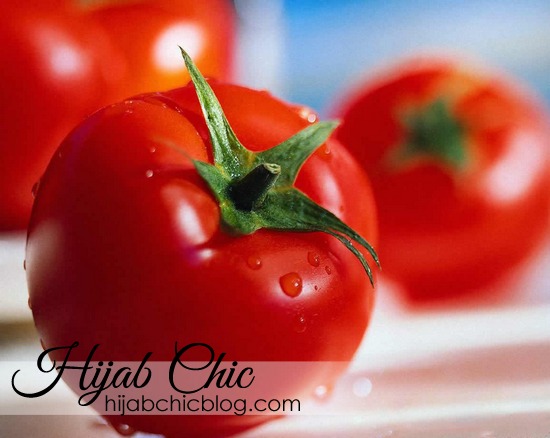
Tomatoes
Definitely one of your skin’s best defenses, tomatoes contain a powerful antioxidant called lycopene. While studies have not yet been entirely conclusive, many suggest that lycopene may be responsible for helping to protect the skin against sun damage.
Lycopene is best absorbed by the body when it has been cooked or processed, so eating tomato sauce, tomato paste, and ketchup is likely to be more effective than just eating raw tomatoes when trying to safeguard your skin against harmful UV rays. Lycopene is also fat soluble, which means that it is absorbed more easily when consumed with fat, such as eggs, avocado, and olive oil.

Green Tea
It’s no secret that green tea is an antioxidant powerhouse. Its strong anti-inflammatory and anti-aging effects are attributed to its high concentration of catechin compounds. Studies have shown that green tea can be used both orally and topically to help protect the skin from sunburns and UV-associated skin cancers. Research also suggests that drinking one cup of green tea twice a day over the course of six months may actually reverse sun damage and significantly improve any problems you have with redness and broken capillary veins.

Green Beans
As long as we’re going green, let’s talk about how these low-calorie beans can help you grow thicker hair and healthier nails. Green beans are a star Feed Your Face food because they’re one of the richest sources of silicon — not to be confused with silicone, which is found in bad lip jobs and breast implants! The USDA has not yet established recommended daily intakes (RDIs) of silicon, but 10 mg per day seems to be adequate for strengthening hair and nails, according to recent studies. Dr. Wu recommends choosing organic green beans, since they retain more silicon from the soil. Don’t like green beans? You can also get your silicon fix from volcanic mineral waters such as Volvic, which contains 14.5 mg per liter.

Walnuts
Usually it’s salmon that’s synonymous with omega-3 fatty acids, but did you know that walnuts are also incredibly high in omega-3s? If you’re concerned with redness, swelling, blotchiness, acne breakouts, or wrinkles, walnuts may be your new best friend. Plant-based omega-3s, such as the ones found in walnuts, are naturally anti-inflammatory; they can help seal moisture into your skin and protect it from chemicals and other toxins. In particular, the alpha-linolenic acid (ALA) in these omega-3s can work to combat the dryness associated with aging that leads to wrinkles. But don’t stop with walnuts; you can also increase the amount of plant-based omega-3s in your diet by eating almonds, olive oil, and flaxseed, too.
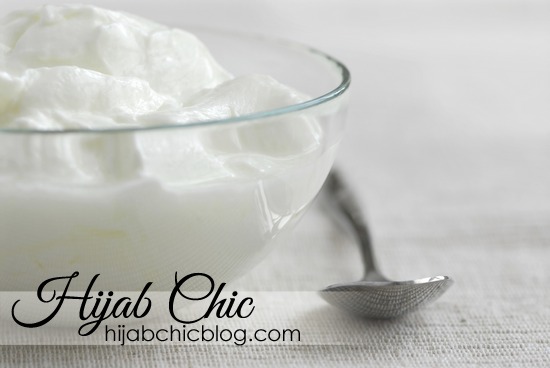
Yogurt
Not only is it the main ingredient in the best smoothies, yogurt is a natural probiotic, which means that it helps replenish the “good” bacteria in your body and keeps yeast in check. This can come in handy if you have gastrointestinal issues or you’re prone to yeast infections, but what does it have to do with feeding your face? Well, according to Dr. Wu, yogurt is an excellent Feed Your Face food for dealing with acne breakouts, eczema, and even dandruff. Just be sure to choose a low-fat and low-sugar yogurt, since sugar can aggravate inflammation. And if you think your breakouts are related to dairy, Dr. Wu suggests skipping the yogurt and going straight for a probiotic supplement instead.


